
The Essentials of Confined Space Entry Training for Confined Space Safety

Working in confined spaces presents unique challenges and risks that require specialized knowledge and preparation. Whether you manage a facility or oversee a team, understanding the essentials of confined space safety is critical to protecting lives and maintaining compliance. In this post, I will walk you through the key components of effective confined space entry training, practical safety measures, and regulatory considerations that every business should know.
Understanding Confined Space Safety: What Makes These Spaces Risky?
Confined spaces are areas that are not designed for continuous occupancy and have limited means of entry or exit. Examples include tanks, silos, underground vaults, and pipelines. These spaces can be hazardous due to:
Poor ventilation leading to oxygen deficiency or toxic atmospheres
Potential for engulfment by liquids or loose materials
Limited access complicating rescue efforts
Presence of mechanical or electrical hazards
Because of these dangers, confined space safety requires more than just common sense. It demands a structured approach to hazard identification, risk assessment, and emergency preparedness.
One practical example is a wastewater treatment plant where workers enter underground tanks. Without proper air monitoring and ventilation, they risk exposure to harmful gases like hydrogen sulfide. This is why confined space safety protocols emphasize continuous atmospheric testing and the use of personal protective equipment (PPE).
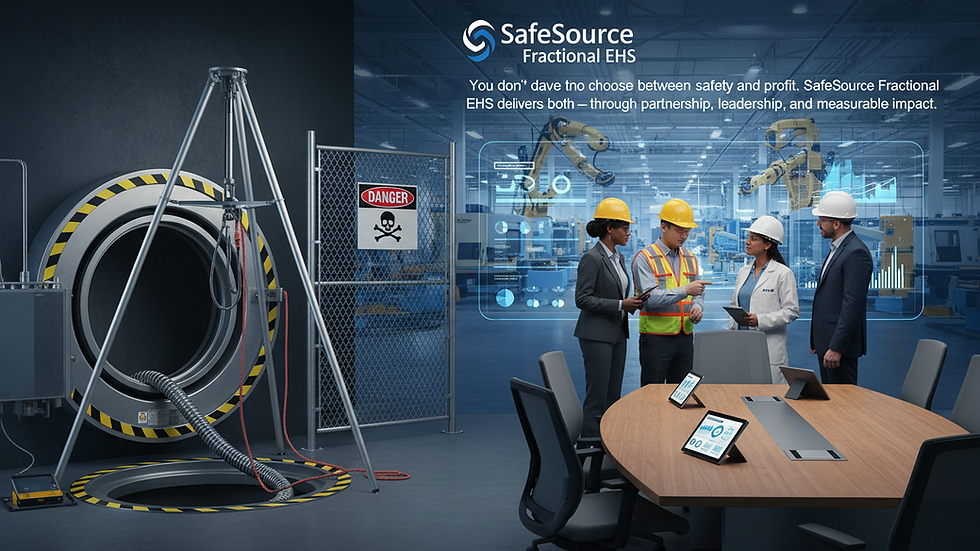
Key Components of Effective Confined Space Entry Training
Training is the cornerstone of safe confined space operations. A well-designed program equips workers and supervisors with the knowledge and skills to recognize hazards, use equipment correctly, and respond to emergencies. Here are the essential elements:
Hazard Recognition and Risk Assessment
Trainees learn to identify potential dangers such as toxic gases, oxygen deficiency, and physical hazards. They also practice evaluating the risks associated with specific confined spaces.
Permit-Required Confined Space Procedures
Many confined spaces require a permit system to control entry. Training covers how to complete permits, understand entry conditions, and follow lockout/tagout procedures.
Atmospheric Testing and Monitoring
Workers are taught how to use gas detectors to check oxygen levels and detect hazardous gases before and during entry.
Use of Personal Protective Equipment (PPE)
Proper selection and use of PPE, including respirators, harnesses, and communication devices, are demonstrated and practiced.
Emergency Response and Rescue Plans
Training includes how to execute rescue operations safely without endangering additional personnel. This often involves practicing with retrieval systems and understanding when to call professional rescue teams.
Communication Protocols
Clear communication between entrants and attendants is vital. Training emphasizes the use of radios, signals, and check-in procedures.
By covering these areas, training ensures that everyone involved understands their roles and responsibilities, reducing the likelihood of accidents.
Does OSHA 10 Include Confined Space Training?
Many people wonder if the OSHA 10-hour General Industry course covers confined space safety. The short answer is no. The OSHA 10-hour course provides a broad overview of workplace safety but does not delve deeply into confined space hazards or entry procedures.
For businesses that require comprehensive confined space safety knowledge, specialized training beyond OSHA 10 is necessary. OSHA 30-hour courses or specific confined space entry training programs are designed to meet these needs. These programs provide detailed instruction on hazard recognition, permit systems, atmospheric testing, and rescue operations.
If your team works in or around confined spaces, relying solely on OSHA 10 training is insufficient. Investing in dedicated confined space entry training ensures compliance with OSHA standards and, more importantly, protects your workforce.

Practical Tips for Implementing Confined Space Safety Programs
Implementing a confined space safety program can seem daunting, but breaking it down into manageable steps helps. Here are some actionable recommendations:
Conduct a Thorough Site Assessment
Identify all confined spaces on your site and classify them according to hazard levels. This helps prioritize training and resource allocation.
Develop Clear Entry Procedures
Create written procedures that outline permit requirements, atmospheric testing, PPE use, and emergency protocols. Make these documents easily accessible.
Train All Relevant Personnel
Ensure that entrants, attendants, supervisors, and rescue teams receive appropriate training. Regular refresher courses help maintain awareness.
Use Reliable Equipment
Invest in quality gas detectors, ventilation systems, and rescue gear. Regularly inspect and maintain this equipment.
Establish a Permit System
Use permits to control entry and document safety checks. This system should be strictly enforced.
Practice Emergency Drills
Conduct rescue drills to test response times and procedures. This builds confidence and identifies areas for improvement.
Promote a Safety Culture
Encourage open communication about hazards and near misses. Recognize safe behaviors and address unsafe practices promptly.
By following these steps, you create a safer work environment and demonstrate your commitment to employee well-being.
Why Confined Space Entry Training is a Critical Investment
Investing in confined space entry training is not just about compliance; it’s about saving lives and avoiding costly incidents. Confined space accidents can result in severe injuries, fatalities, legal penalties, and damage to your company’s reputation.
Proper training reduces the risk of accidents by ensuring that workers understand the hazards and know how to protect themselves. It also prepares your team to respond effectively if an emergency occurs, minimizing harm.
From a business perspective, a strong safety program can improve productivity by reducing downtime caused by accidents. It also helps attract and retain skilled workers who value a safe workplace.
In my experience, companies that prioritize confined space safety see tangible benefits in employee morale, regulatory compliance, and operational efficiency.
Building a Safer Future with Confined Space Safety
Confined space safety is a complex but manageable challenge. With the right training, procedures, and equipment, you can protect your workforce and meet regulatory requirements. Remember, the key is preparation - understanding the risks, training your team thoroughly, and maintaining vigilance.
If you are looking to build or enhance your confined space safety program, start by assessing your current practices and identifying gaps. Then, invest in comprehensive training and reliable equipment. Regularly review and update your procedures to keep pace with changing regulations and workplace conditions.
Safety is a continuous journey, and confined space entry training is a vital step on that path. By committing to these essentials, you create a safer workplace for everyone involved.
Thank you for reading. If you want to learn more about how to implement effective safety programs or need expert guidance, feel free to reach out. Together, we can make confined space safety a priority that protects your most valuable asset - your people.


Comments